More Than Metal
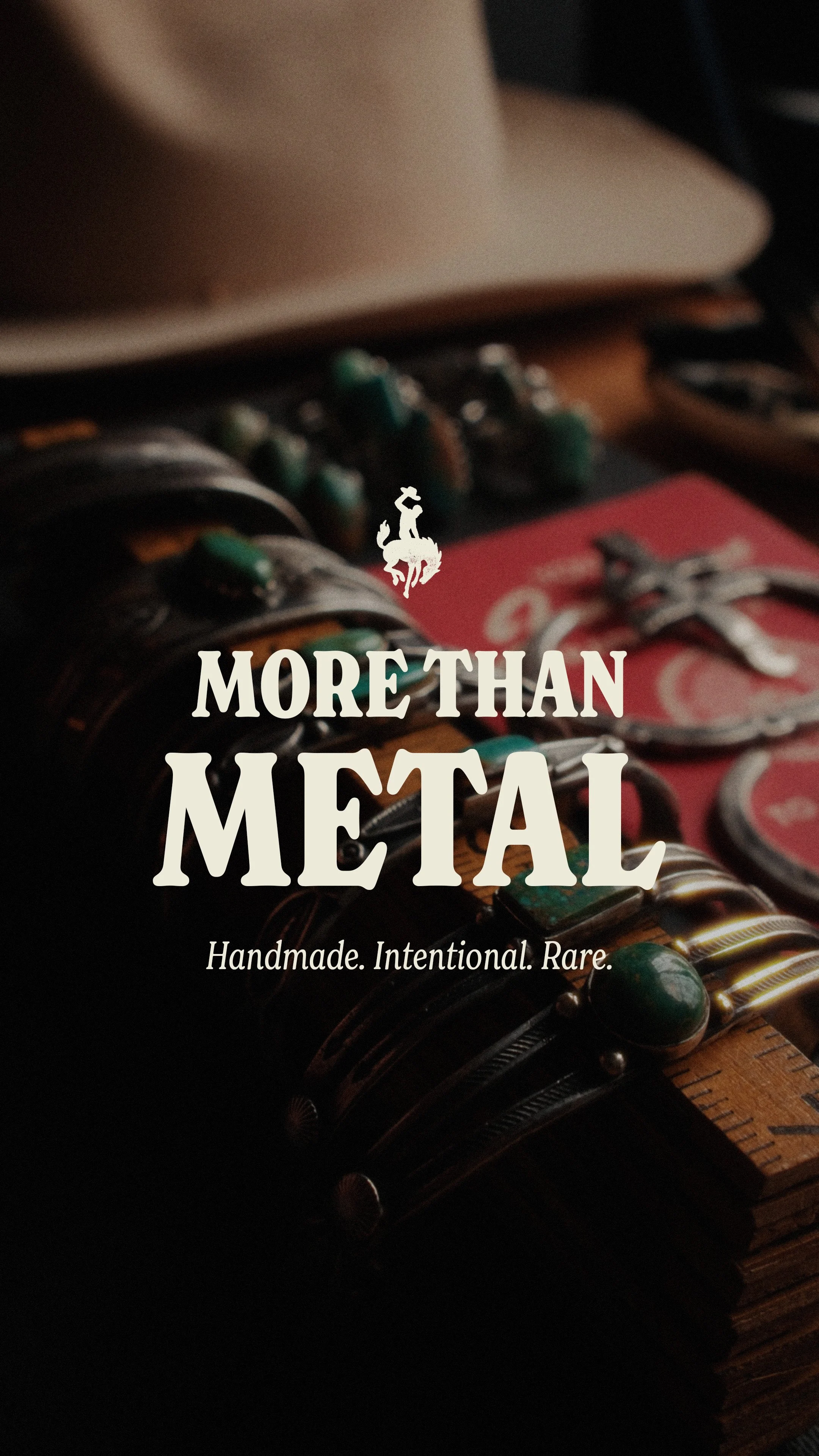
More Than Metal
Most people look at Southwest jewelry and have no idea what they're actually holding.
Every mark is a decision. Every stamp is a fingerprint. Every piece tells a story.
That's what we're preserving at The Common Company.
When you hold a piece of traditional Southwest turquoise jewelry, you're not just looking at pretty stones and silver. You're holding evidence of an artist's skill, intention, and years of practice. But here's what most people don't understand: the real value isn't in the materials alone — it's in the thought behind every single mark.
The Fingerprint: What Makes Southwest Jewelry Unique
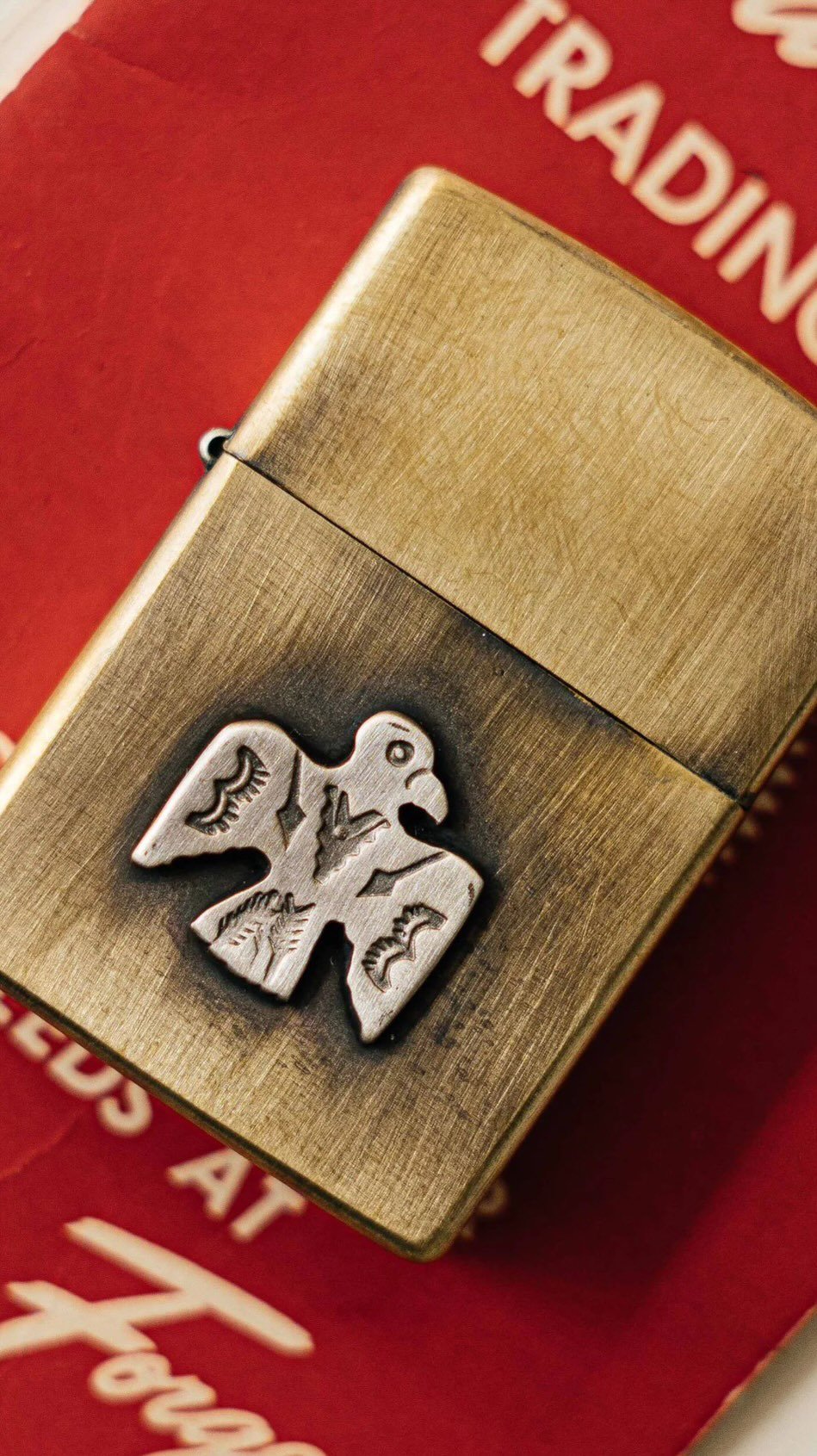
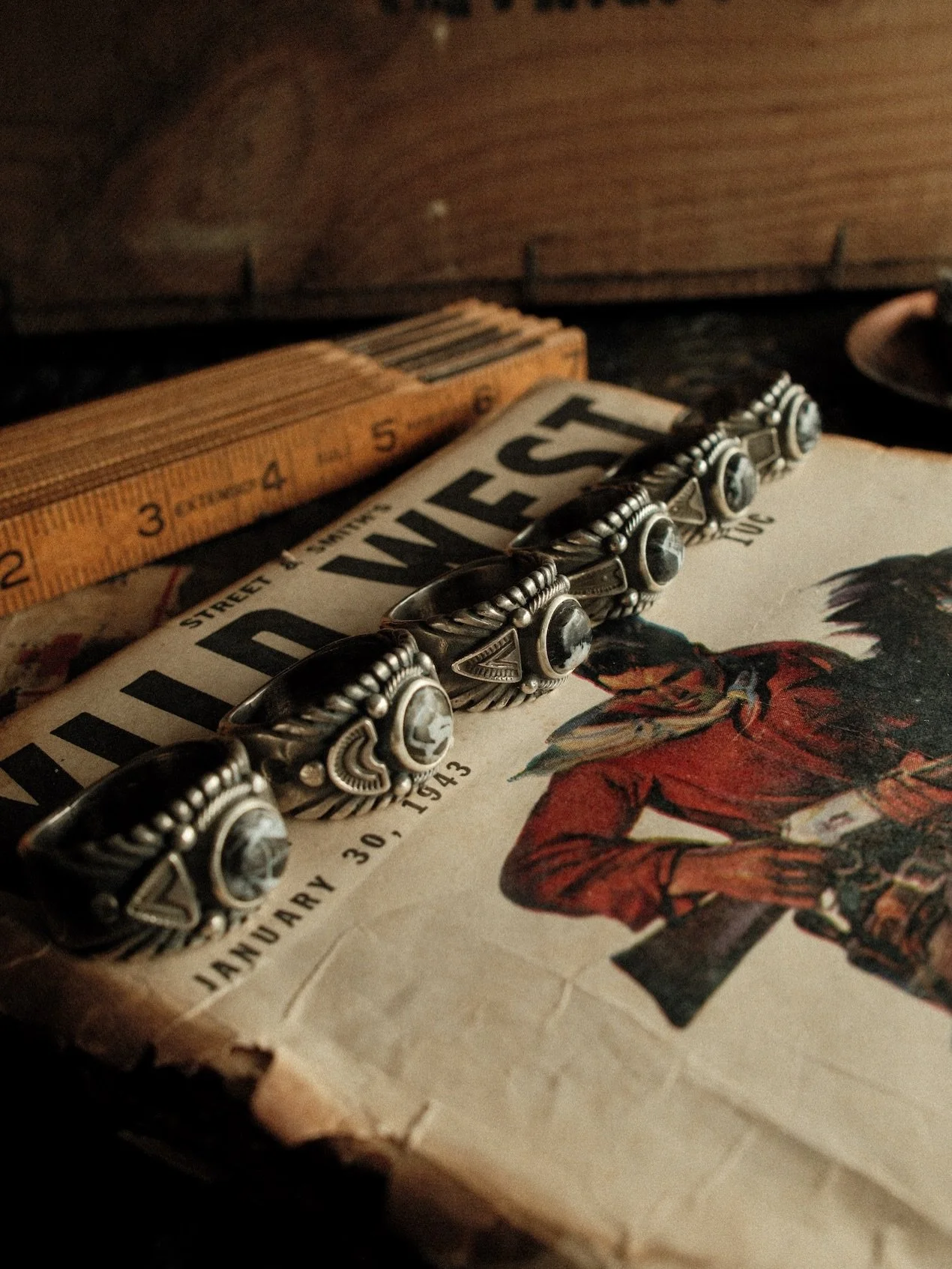
In traditional Southwest jewelry, the stamps used to create impressions in the silver aren't mass-produced. They're either inherited — passed down through families of silversmiths — or hand-carved by the artist themselves. This means every stamp is unique. Every impression it makes is exclusive to that one artist.
That's why I call them fingerprints.
Over time, as you encounter more pieces, you begin to recognize an artist's distinctive style. You might say, "Oh, I know this piece. That's a [artist name] piece because of that arrow stamp" or "because of that thunderbird." The stamps become the artist's signature — a visual language that tells you exactly who made the work.
The Craft Behind the Stamps
The stamps themselves are pieces of art. Carving them from steel takes time, precision, and skill. But that's just the beginning.
In the Southwest tradition, the real skill lies in knowing how to use those stamps to create a balanced, intentional composition. An inexperienced silversmith might have access to beautiful, well-made stamps but lack the knowledge to arrange them thoughtfully on a piece. Having great stamps is one thing. Knowing how to compose them into a cohesive design — that's something else entirely.
Very few people possess that skill today. It takes years — sometimes decades — to develop the eye and hand coordination needed to make every mark a conscious decision. Each impression on a piece isn't accidental or decorative filler. It's a deliberate choice made by someone who understands proportion, balance, and the story the piece should tell.
The Character of the Maker
From start to finish, a handmade Southwest piece reveals the character of the craftsman behind it. You can see it in how they've chosen to use their stamps, in the precision of their work, in the details they've decided to refine or leave raw.
Some silversmiths preserve filing marks from the creation process because those marks tell part of the story. Others clean everything to a perfect polish. Neither is wrong — but both choices tell you something about the maker's philosophy and values.
This is where the real value of Southwest jewelry lives. It's not just an object. It's a conversation between the artist and the person who eventually wears it. Every detail, every decision, every mark — they all communicate something about who made it and why.
Mass Production Lost SomethinG
Even during the Fred Harvey era — when Southwest jewelry became popularized and many pieces were mass-produced on production lines — you could still feel the difference between handmade and manufactured work. The industrial era brought efficiency, but it also brought a loss. A degree of craftsmanship disappeared. Part of the soul of the craftsman died in that shift from individual artistry to production line work.
That's not a criticism of the past. It's an observation about what we lost when we chose speed over intention.
Why This Matters Now
At The Common Company, we're not trying to recreate the past. We're preserving the philosophy of it — the idea that every mark matters, that the craftsman's intention is visible in the work, and that a piece of jewelry is worth owning precisely because it carries a story and a maker's authentic vision.
When you buy a piece from us, you're not just buying turquoise and silver. You're investing in someone's skill, decision-making, and years of practice. You're supporting a tradition that almost got lost. And you're wearing something that will only become more valuable as you live with it and give it part of your story over time.
That's why Southwest jewelry is actually valuable.
The marks tell the story. The stamps are fingerprints. And the craftsman's character lives in every detail.